
- 0
- 1,173 word
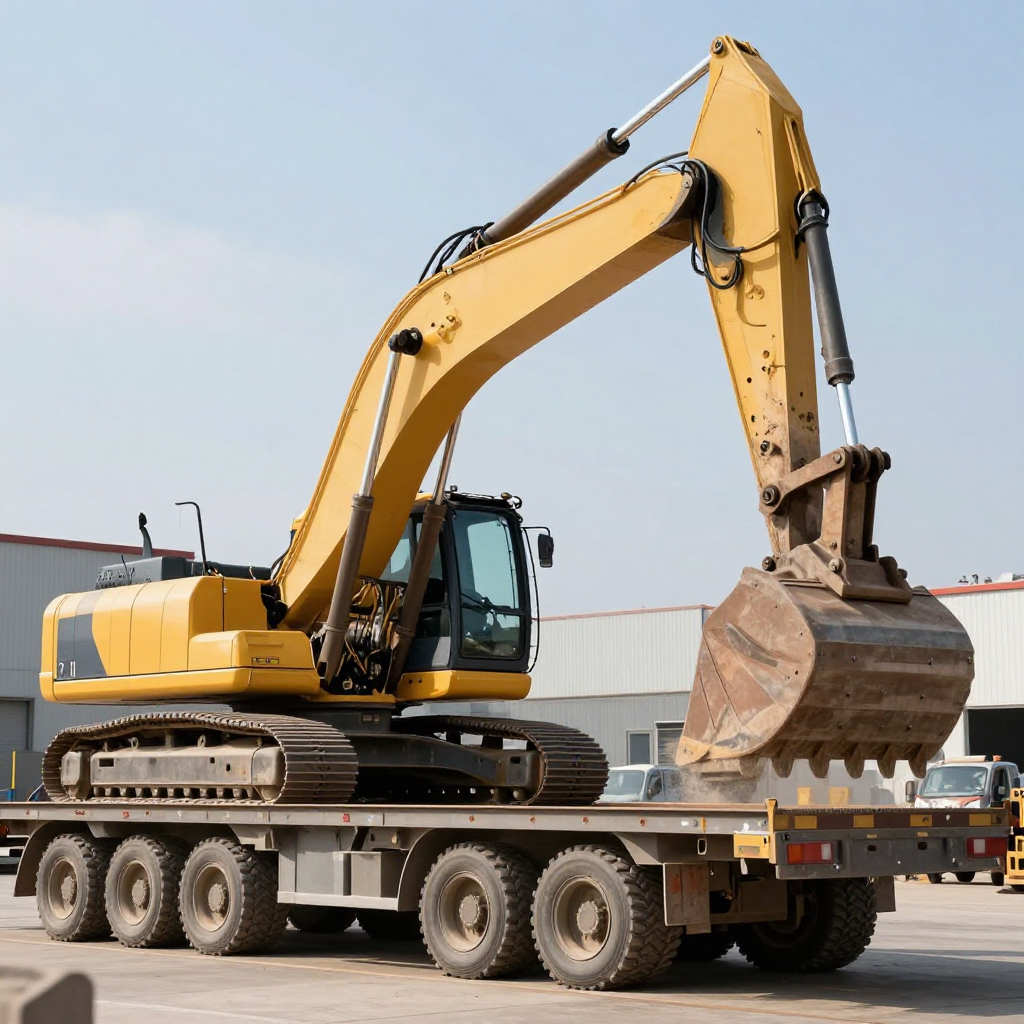
Modern manufacturing and industrial facilities depend on heavy machinery to maintain productivity, quality, and operational efficiency. When equipment must be moved because of a facility expansion, production line upgrade, plant consolidation, or machinery replacement, the process requires far more than transportation. Industrial equipment relocation services provide the expertise, planning, and specialized equipment needed to relocate valuable machinery safely while minimizing costly downtime. Heavy Lux supports businesses with professional relocation solutions designed to handle complex industrial equipment with precision and care.
Industrial machinery often represents a significant investment, making every relocation project a high-priority operation. From precision manufacturing equipment to oversized industrial systems, each machine requires careful handling to prevent damage and maintain performance. A successful relocation depends on detailed planning, experienced professionals, and proven relocation strategies that keep projects on schedule without compromising workplace safety.
Why Industrial Equipment Relocation Services Are Essential
Industrial environments contain machinery that can weigh several tons and feature delicate components requiring precise handling. Even a minor mistake during lifting, transport, or installation can lead to equipment damage, production delays, expensive repairs, and potential safety hazards.
Professional industrial equipment relocation services help reduce these risks through organized project management and specialized moving techniques. Every phase of the relocation process is carefully coordinated to ensure machinery arrives safely and is positioned correctly for continued operation.
Businesses across numerous industries benefit from professional equipment relocation, including:
- Manufacturing plants
- Food processing facilities
- Automotive production
- Pharmaceutical manufacturing
- Aerospace facilities
- Warehouses and distribution centers
- Energy and utility operations
- Metal fabrication facilities
Each industry has unique operational requirements, making customized relocation planning an essential part of every successful project.
The Value of Detailed Planning
Every successful equipment relocation begins long before machinery is lifted from the production floor. Thorough preparation reduces uncertainty while helping identify potential challenges before they affect project timelines.
Planning commonly includes:
- Comprehensive site inspections
- Equipment measurements and weight verification
- Structural evaluations
- Transportation route planning
- Rigging strategy development
- Utility disconnection planning
- Safety assessments
- Installation sequencing
Project managers also coordinate schedules with facility personnel to minimize interruptions to ongoing operations. Proper planning creates a structured workflow that keeps every stage of the relocation organized and efficient.
Equipment That Requires Specialized Handling
Industrial facilities operate a wide variety of machinery, each presenting different transportation and installation challenges.
Common equipment relocated includes:
- CNC machines
- Hydraulic presses
- Injection molding machines
- Packaging systems
- Conveyor systems
- Printing presses
- Industrial generators
- Boilers
- Turbines
- Robotic manufacturing systems
- Production line equipment
- Heavy fabrication machinery
Many of these assets contain highly sensitive electronic controls, precision calibration systems, or complex mechanical assemblies that require careful protection during every stage of relocation.
Specialized Equipment Makes a Difference
Moving industrial machinery requires equipment specifically designed for heavy lifting and controlled transportation. Standard moving equipment simply cannot provide the stability and precision necessary for oversized industrial assets.
Professional relocation projects commonly utilize:
- Hydraulic gantries
- Heavy-duty forklifts
- Air skates
- Machine skates
- Cranes
- Lift systems
- Rigging hardware
- Specialized trailers
- Hydraulic jacking systems
Selecting the appropriate equipment depends on machine dimensions, weight, access limitations, floor conditions, and final installation requirements.
Safety Remains the Highest Priority
Safety is one of the most important aspects of industrial machinery relocation. Heavy equipment presents substantial risks when handled improperly, making strict safety procedures essential throughout every project.
Successful relocation projects typically include:
- Hazard identification
- Load calculations
- Rigging inspections
- Equipment inspections
- Operator certifications
- Protective barriers
- Clear communication protocols
- Emergency response planning
Following established safety procedures protects both personnel and valuable machinery while reducing the likelihood of costly incidents.
Reducing Downtime During Equipment Relocation
Production downtime directly impacts operational costs. Every hour that manufacturing equipment remains offline can affect output, delivery schedules, and customer commitments.
Professional relocation planning focuses on minimizing downtime through efficient scheduling and coordination.
Strategies often include:
- Pre-planning every relocation phase.
- Preparing installation sites before equipment arrives.
- Coordinating utility disconnections and reconnections.
- Scheduling moves during planned shutdowns.
- Conducting post-installation inspections quickly.
This organized approach allows businesses to resume operations sooner while maintaining productivity goals.
Industrial Rigging Plays a Critical Role
Rigging involves much more than attaching machinery to lifting equipment. It requires engineering knowledge, load balancing expertise, and precision handling techniques.
Proper rigging considers factors such as:
- Center of gravity
- Machine dimensions
- Lifting points
- Structural integrity
- Clearance limitations
- Floor capacity
- Equipment stability
Accurate rigging reduces stress on machinery and helps prevent accidental movement during lifting and transport.
Common Challenges During Equipment Relocation
Every industrial relocation project presents unique obstacles that require practical solutions.
Common challenges include:
Limited Facility Access
Doorways, overhead obstructions, narrow aisles, and confined production areas often require creative relocation strategies.
Oversized Machinery
Some equipment exceeds standard transportation dimensions, requiring specialized permits and customized transportation methods.
Sensitive Components
Modern industrial machines frequently contain advanced electronics and precision calibration systems that must remain protected throughout relocation.
Production Schedules
Relocation projects often take place while portions of a facility remain operational, requiring careful coordination between multiple departments.
Structural Limitations
Older buildings may have floor load restrictions or limited crane access, requiring alternative lifting methods.
Experienced relocation teams evaluate these challenges early, allowing practical solutions to be implemented before work begins.
Choosing the Right Relocation Partner
Not every heavy equipment mover has the experience necessary for complex industrial projects. Selecting a qualified relocation provider significantly improves project outcomes.
Important considerations include:
- Industry experience
- Specialized rigging capabilities
- Modern lifting equipment
- Comprehensive project planning
- Strong safety record
- Skilled operators
- Installation expertise
- Proven project management
A knowledgeable relocation partner understands how to manage every phase of machinery movement while maintaining efficiency and safety standards.
Technology Is Improving Industrial Equipment Relocation Services
Modern relocation projects increasingly benefit from digital planning tools and advanced technology. Laser measurements, computer-assisted lift planning, digital project management systems, and equipment monitoring improve both accuracy and efficiency.
Some projects also utilize three-dimensional facility modeling to identify potential obstacles before relocation begins. This level of planning helps reduce unexpected delays while improving coordination between project stakeholders.
Real-time communication tools further enhance project visibility, allowing managers to monitor progress, respond quickly to changes, and maintain accurate scheduling throughout the relocation process.
Best Practices for a Successful Equipment Relocation
Organizations preparing for machinery relocation can improve project success by following several best practices:
- Conduct a detailed equipment inventory.
- Document machinery condition before moving.
- Label electrical and utility connections.
- Create a realistic relocation timeline.
- Coordinate with all facility departments.
- Verify structural requirements.
- Schedule inspections after installation.
- Perform operational testing before restarting production.
These proactive measures help ensure machinery is relocated efficiently while reducing operational risks.
Conclusion
Industrial machinery relocation is far more complex than moving heavy equipment from one location to another. It requires strategic planning, precision rigging, specialized transportation, and experienced project management to protect valuable assets and minimize operational disruption. Professional industrial equipment relocation services help businesses maintain productivity while ensuring machinery is handled safely from start to finish.
For organizations seeking dependable industrial relocation expertise, Heavy Lux delivers professional solutions designed to support safe, efficient, and carefully coordinated equipment moves. With a focus on precision, safety, and operational continuity, every project is managed with the attention required to keep industrial operations moving forward confidently.
Author

admin@solutionequine.com