
- 0
- 1,355 word
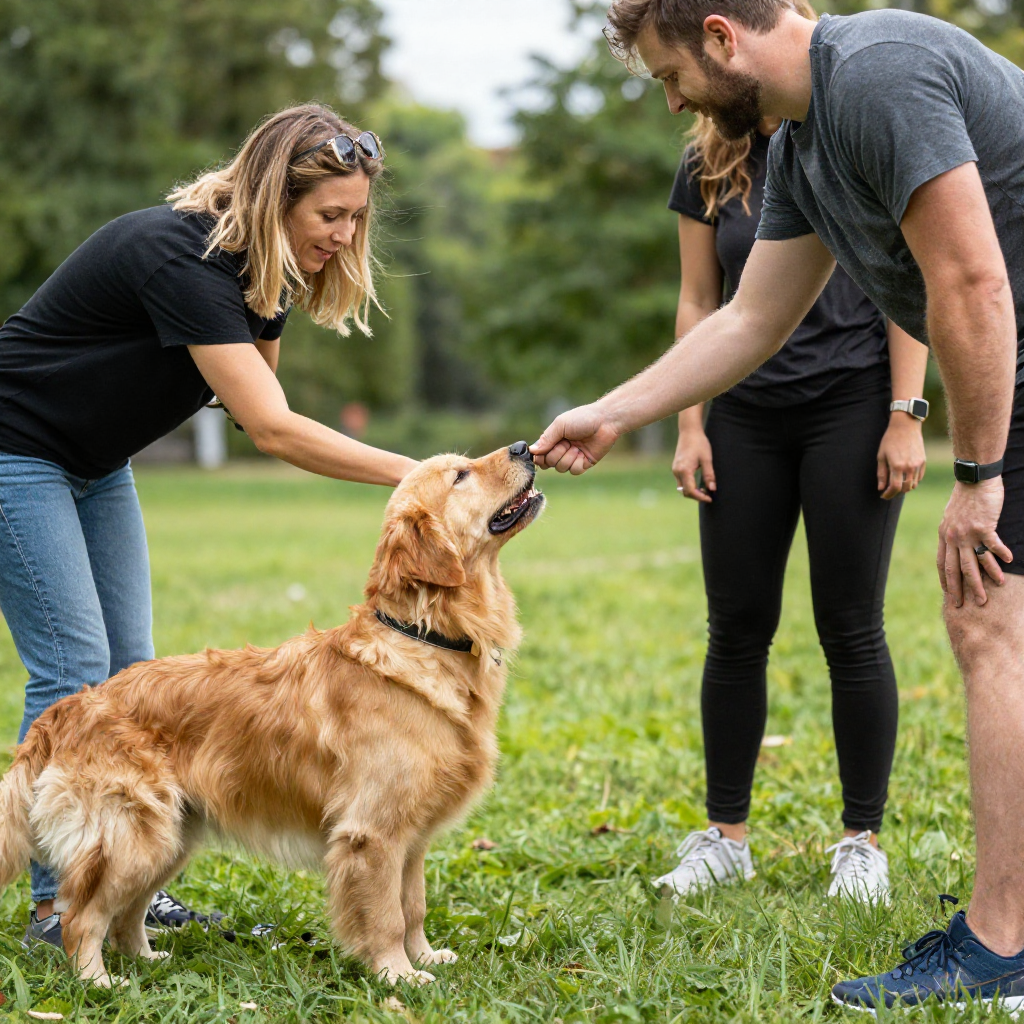
Dogs learn best when communication between people and pets is clear, consistent, and rewarding. Obedience reinforcement sessions help create that foundation by encouraging dogs to repeat desirable behaviors while developing better focus, confidence, and self-control. Rather than relying only on commands, reinforcement-based training helps dogs understand what behaviors are expected in different situations.
Many dog owners struggle when a pet listens at home but ignores instructions around distractions, unfamiliar people, or new environments. Consistent practice through structured training sessions can help bridge that gap and create dependable behavior in everyday life.
Professional guidance from experienced trainers, such as Rob’s Dog Training, can help owners establish practical routines that support long-term learning. By combining positive reinforcement, repetition, and clear communication, dogs can develop skills that improve their relationship with their families.
Why Obedience Reinforcement Sessions Matter for Long-Term Training
Training is not only about teaching a dog to sit, stay, or come when called. The goal is to help dogs understand how to respond appropriately in different environments while building trust with their owners.
Dogs naturally repeat behaviors that lead to positive outcomes. When a dog receives praise, treats, playtime, or another meaningful reward after performing a desired action, the behavior becomes more likely to happen again. This learning process is based on reinforcement principles that are widely used in animal behavior training.
Effective reinforcement sessions can help dogs develop:
- Better attention toward their handlers
- Improved impulse control
- Stronger recall skills
- More appropriate social behaviors
- Greater confidence in unfamiliar situations
- Reduced frustration during daily interactions
Consistency is one of the most important factors in successful dog training. A behavior learned during a single lesson may not become a reliable habit without regular practice and reinforcement.
How Reinforcement-Based Training Improves Communication
Dogs do not understand human language in the same way people do. Instead, they respond to patterns, body language, tone, and consequences. Training creates a shared communication system where dogs can recognize what their owners are asking from them.
During structured obedience reinforcement sessions, trainers focus on rewarding correct choices instead of only correcting mistakes. This approach encourages dogs to participate actively in learning and helps them understand which behaviors receive positive attention.
For example, a dog that jumps on visitors may not understand that the behavior is unwanted. The dog may simply have learned that jumping results in attention. Reinforcement training teaches an alternative response, such as sitting calmly, and rewards that behavior instead.
This method helps address common challenges, including:
- Excessive jumping
- Pulling on the leash
- Ignoring commands
- Difficulty settling down
- Barking for attention
- Poor focus around distractions
By focusing on the reason behind a behavior, trainers can create strategies that support lasting improvement.
Building Reliable Skills Through Structured Practice
One of the biggest misconceptions about dog training is that a dog will automatically apply a learned behavior everywhere. In reality, dogs often need help generalizing skills across different environments.
A dog may perform a command perfectly in a quiet living room but struggle at a busy park. The difference comes from distractions, excitement levels, and unfamiliar surroundings.
Quality obedience reinforcement sessions gradually introduce new challenges while keeping the dog successful. A structured approach may include:
- Teaching the desired behavior in a controlled environment
Dogs first learn skills where distractions are limited. This allows them to understand expectations clearly. - Adding small distractions over time
Trainers gradually introduce new sights, sounds, people, or locations to help dogs build reliability. - Rewarding consistent responses
Positive outcomes encourage dogs to continue making appropriate choices. - Practicing skills during daily routines
Owners can reinforce training during walks, mealtimes, greetings, and play sessions.
This gradual process helps dogs develop confidence while improving their ability to respond in real-world situations.
The Role of Owners in Reinforcement Training Success
Professional training provides valuable guidance, but owners play a major role in maintaining progress. Dogs spend most of their time with their families, meaning daily interactions shape their habits.
Successful reinforcement training depends on:
- Using consistent verbal cues
- Rewarding desired behaviors at the right moment
- Avoiding mixed signals
- Practicing regularly
- Understanding the dog’s body language
Timing is especially important. A reward given immediately after a behavior helps the dog connect the action with the positive outcome. Waiting too long can make it harder for the dog to understand what behavior earned the reward.
Owners who participate actively in training sessions often gain a better understanding of their dog’s needs, personality, and learning style. This knowledge creates stronger communication and makes future training more effective.
Choosing the Right Approach for Different Dogs
Every dog learns differently. Factors such as age, breed traits, past experiences, temperament, and environment can influence how quickly a dog responds to training.
Puppies may need help developing basic manners and confidence, while adult dogs may require support with habits that have developed over time. Rescue dogs may also benefit from patient training approaches that help them adjust to new routines.
A personalized training plan considers:
Age and Development Stage
Young puppies are often learning how to interact with the world. Early reinforcement can help establish appropriate habits before unwanted behaviors become stronger.
Adult dogs can continue learning new skills at any age. Training provides mental stimulation and helps maintain good behavior throughout their lives.
Individual Personality
Some dogs are naturally confident and energetic, while others may be cautious or easily distracted. Understanding personality differences allows training methods to match the dog’s needs.
Specific Behavior Goals
Training goals vary between households. Some owners may focus on leash manners, while others may need help with recall, calm greetings, or household routines.
A customized approach ensures that training supports both the dog and the owner’s lifestyle.
Positive Reinforcement Creates Better Learning Experiences
Modern dog training often emphasizes positive reinforcement because it focuses on encouraging behaviors rather than creating fear or confusion. Reward-based methods help dogs understand what actions lead to positive results.
A supportive training environment can encourage:
- Increased willingness to learn
- Better engagement with owners
- Stronger confidence
- Improved problem-solving skills
- More positive interactions
Training should be a process where dogs feel motivated to participate. When learning becomes a positive experience, dogs are more likely to respond consistently and enjoy working with their owners.
Common Mistakes That Can Slow Training Progress
Even with good intentions, some training habits can make learning more difficult. Recognizing common mistakes helps owners create clearer communication.
Inconsistent Expectations
If a behavior is allowed sometimes but discouraged at other times, dogs may become confused about what is expected. Clear rules help dogs understand boundaries.
Rewarding Unwanted Behaviors
Attention, treats, or reactions can accidentally reinforce behaviors owners want to reduce. For example, giving attention to a barking dog may teach the dog that barking works.
Training Only During Problems
Training should not only happen when a dog misbehaves. Regular practice builds skills before challenging situations occur.
Expecting Immediate Results
Learning takes repetition and patience. Dogs need time to develop reliable habits, especially when distractions are involved.
Avoiding these mistakes helps create a smoother training experience and encourages steady progress.
Creating a Stronger Bond Through Consistent Training
Training is more than behavior management. It is an opportunity to strengthen the relationship between dogs and their owners. When dogs understand expectations and receive consistent feedback, they often become more confident and comfortable in their environment.
Obedience reinforcement sessions provide a practical way to develop communication, encourage positive habits, and support a balanced relationship between pets and people.
Through patient practice, clear guidance, and ongoing reinforcement, owners can help their dogs succeed in everyday situations. Whether teaching basic manners or improving advanced skills, consistent training creates benefits that last throughout a dog’s life.
Final Thoughts on Obedience Reinforcement Sessions
A well-trained dog is not created through commands alone. Reliable behavior comes from understanding, repetition, and meaningful reinforcement. Obedience reinforcement sessions give dogs the opportunity to learn appropriate behaviors while helping owners build stronger communication with their pets.
With professional support from Rob’s Dog Training, families can develop training routines that encourage confidence, cooperation, and better daily interactions. Investing in structured reinforcement training helps create a foundation for a happier and more enjoyable life with a canine companion.
Author

admin@solutionequine.com