
- 0
- 1,420 word
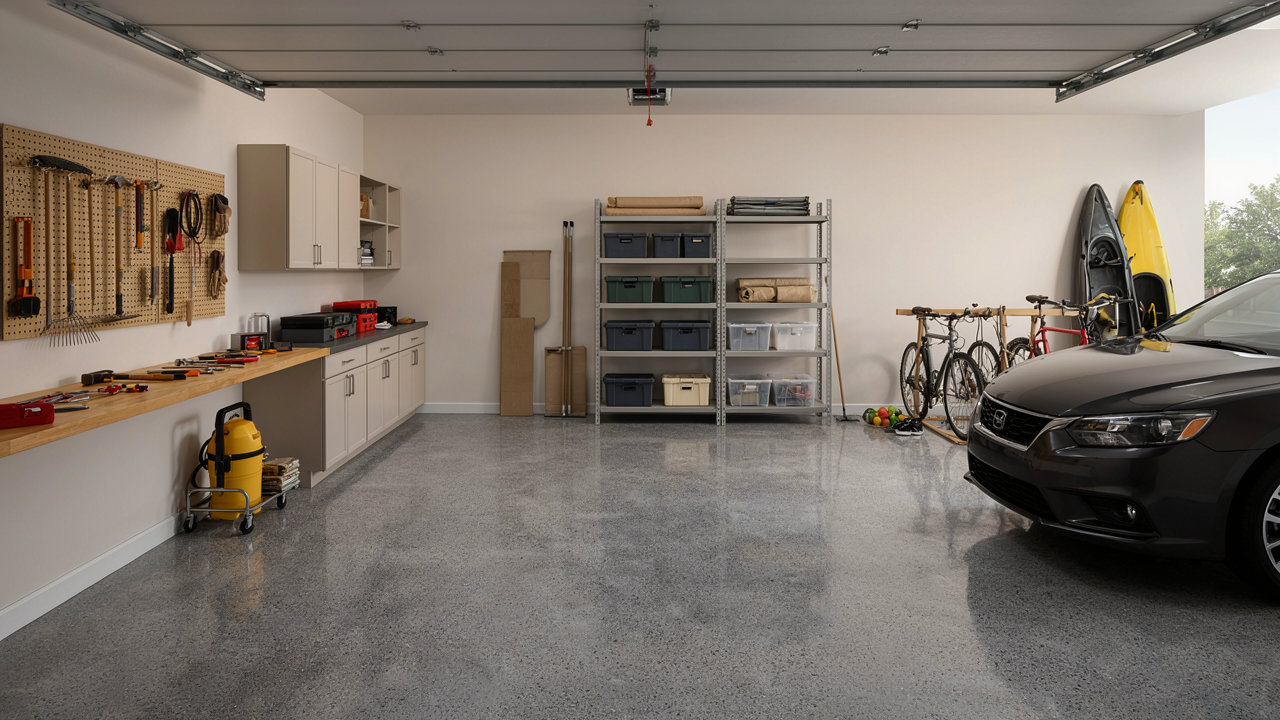
A garage does more than shelter vehicles. It often serves as a workshop, storage area, hobby space, or entry point into the home, which makes the condition of its floor especially important. Superior Garage Flooring helps homeowners approach garage improvements with a focus on durable surfaces that can handle everyday demands while maintaining a clean, finished appearance.
Among the most practical upgrades are garage floor coatings, which can provide a more durable and easier-to-maintain surface than bare concrete. However, choosing a coating is only one part of the process. Understanding the garage environment, preparing the concrete correctly, and selecting a finish suited to actual use can make a significant difference in long-term performance.
Why Garage Floors Need More Protection
Concrete may look tough, but an unfinished garage floor faces constant exposure to conditions that can gradually affect its appearance and performance.
Vehicles can track in water, mud, road salt, oil, and other contaminants. Heavy equipment, storage containers, tools, and dropped objects can also contribute to scratches, stains, chips, and surface wear.
Temperature changes can create additional challenges. Concrete expands and contracts as conditions change, while moisture can become a concern when it moves through or accumulates beneath the slab.
A properly selected floor coating can create a protective surface between the concrete and many of these everyday stresses. The result is a garage floor that is easier to clean and better suited to regular household use.
Garage Floor Coatings Offer More Than Appearance
A common reason homeowners consider a coated garage floor is aesthetics. A finished surface can make an ordinary concrete slab look cleaner, brighter, and more intentional.
Yet appearance is only part of the value.
The right coating system can help protect the underlying concrete from common sources of wear while making routine maintenance simpler. Instead of dealing with porous, unfinished concrete that can hold onto dirt and spills, homeowners can have a smoother surface that is easier to sweep and clean.
This matters particularly in garages that function as multipurpose spaces. A floor that can tolerate vehicle traffic while remaining practical for projects, storage, or hobbies gives the room greater flexibility.
How to Choose Garage Floor Coatings
Not every garage has the same requirements. A homeowner who primarily parks one vehicle may have different priorities from someone who operates a workshop or stores heavy equipment.
Before selecting a coating system, consider these factors:
- Traffic level: Think about how frequently vehicles enter and leave the garage and whether heavy equipment will regularly cross the floor.
- Chemical exposure: Garages can encounter automotive fluids, cleaning products, road contaminants, and other substances. Chemical resistance may therefore be an important consideration.
- Moisture conditions: Determine whether the concrete has a history of dampness, water intrusion, or moisture-related problems before coating it.
- Maintenance needs: Consider how often the floor will need cleaning and how easily you want to remove dirt, dust, and spills.
- Surface appearance: Color, texture, decorative flakes, and gloss level can influence the final look of the garage.
Thinking about these factors first helps prevent homeowners from choosing a coating based solely on appearance or price.
Concrete Preparation Is the Foundation of Performance
One of the most important aspects of any garage floor coating project happens before the coating is applied.
Concrete must be properly evaluated and prepared. Existing coatings, contaminants, grease, dirt, and other substances can interfere with adhesion if they are not adequately addressed.
Cracks and damaged areas may also need attention before the coating system is installed. Surface preparation should be based on the condition of the specific slab rather than a one-size-fits-all approach.
This is where professional experience can matter. A coating may be formulated for demanding environments, but even a high-quality material cannot compensate for inadequate preparation.
For homeowners comparing flooring options, asking how the concrete will be prepared is just as important as asking which coating product will be used.
Consider the Garage Environment Before Installation
A garage floor should be treated as part of a larger environment rather than an isolated surface.
For example, moisture management should be considered before applying a coating. If water is entering through doors, walls, cracks, or other areas, coating the floor without addressing the underlying issue may not solve the problem.
Drainage and ventilation also deserve attention. A garage that frequently experiences wet conditions may require different planning from a dry, climate-controlled space.
Homeowners should also consider how the garage is used throughout the year. Seasonal temperature changes, vehicle traffic, and regular exposure to outdoor contaminants can all influence flooring requirements.
Taking this broader view creates a more informed foundation for selecting and maintaining a coated concrete floor.
Garage Floor Coatings Can Improve Everyday Maintenance
A garage does not have to be difficult to keep clean.
Bare concrete can develop stains and collect dust in its pores and surface imperfections. Oil, automotive fluids, dirt, and other substances can become difficult to remove once they have been absorbed or left untreated.
A properly installed coating can create a more manageable surface for routine cleaning.
Simple maintenance may include sweeping loose dirt regularly and addressing spills promptly. Using cleaning products appropriate for the installed coating can also help preserve its appearance without unnecessarily exposing the surface to harsh chemicals.
The goal is not to eliminate maintenance altogether. Instead, a well-designed flooring system can make ordinary maintenance more straightforward.
Think About Safety and Traction
A garage floor should look good, but appearance should never be the only consideration.
A very smooth surface can become slippery when wet, particularly in areas where vehicles bring in rainwater or snow. Homeowners should therefore discuss traction requirements when selecting a garage flooring system.
Depending on the coating and intended application, texture or aggregate may be incorporated to provide additional slip resistance.
This is especially relevant for households that use the garage as an entryway, workspace, or activity area. A flooring decision should account for how people actually move through the space, not simply how the finished floor looks in photographs.
Decorative Options Can Support Garage Design
Durability does not mean sacrificing style.
Modern garage flooring systems can incorporate decorative elements that give the space a more finished appearance. Decorative flakes, for example, can add visual depth while helping create a less uniform appearance across the floor.
Color selection can also affect how the garage feels. Lighter shades may contribute to a brighter-looking room, while darker or more contrasting combinations can create a stronger workshop aesthetic.
The important point is to select decorative features alongside practical requirements. A garage floor should complement the room while still being appropriate for the traffic, maintenance, and environmental conditions it will experience.
Common Garage Flooring Mistakes to Avoid
A successful flooring project involves more than choosing a material. Several avoidable mistakes can affect the result.
Ignoring concrete condition: Existing cracks, stains, moisture concerns, or damaged areas should be evaluated before installation.
Choosing based only on price: The lowest upfront cost may not represent the best long-term value if preparation, durability, or maintenance requirements are overlooked.
Skipping professional preparation: Proper surface preparation is critical to adhesion and overall coating performance.
Overlooking moisture: Coating a slab without understanding moisture conditions can create unnecessary complications later.
Selecting appearance over function: A visually attractive floor still needs to suit the way the garage is actually used.
Avoiding these mistakes helps homeowners approach flooring as a long-term improvement rather than a purely cosmetic project.
A Better Garage Starts With the Floor
A garage renovation does not always require a complete structural overhaul. Sometimes, improving the floor can establish a stronger foundation for everything else homeowners want to accomplish in the space.
Once the concrete is protected and easier to maintain, it becomes easier to organize storage, establish work zones, improve lighting, or create a more comfortable multipurpose area.
The key is to think beyond the initial installation. The best flooring decision considers concrete condition, vehicle traffic, moisture, maintenance, safety, appearance, and the garage’s long-term purpose.
Make Garage Flooring a Long-Term Investment
Garage floor coatings can be a practical way to improve both the performance and appearance of a frequently overlooked part of the home. When the coating system is matched to the environment and supported by thorough concrete preparation, it can provide a durable, cleaner-looking surface designed for everyday garage demands.
Before starting a project, evaluate how the space is used, identify potential moisture or concrete issues, and determine which performance characteristics matter most. Superior Garage Flooring can help homeowners approach this upgrade with professional flooring solutions designed for the demands of everyday garage use.
Author

admin@solutionequine.com
Related Posts

Autism Care: Building Strong Foundations for Lifelong Success
- 0
- 1,537 word
Every child deserves the opportunity to develop confidence, communication, and independence in an environment that recognizes individual strengths. Autism care plays an...
Read out all
Why Small Business Mentoring Services in the UK Are Worth the Investment
- 0
- 1,179 word
Starting and growing a small business requires dedication, strategic planning, and the ability to make informed decisions. While many entrepreneurs possess the...
Read out all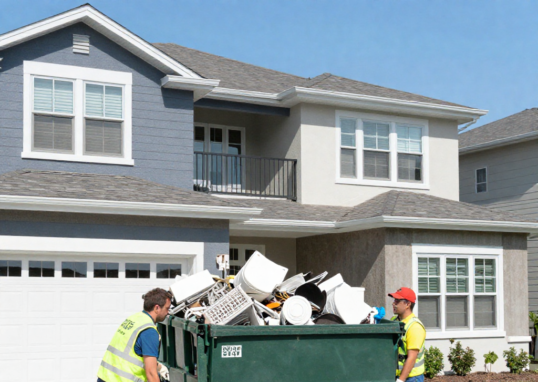
Landscaping Debris Removal Arizona: Clear Outdoor Spaces
- 0
- 1,134 word
Landscaping debris removal Arizona services help homeowners, property managers, and contractors handle the waste created during outdoor improvement projects. From fallen branches...
Read out all
The Problem With Repeated Chemical Fumigation Every Year
- 0
- 1,098 word
Protecting your home from woodworm and other wood-destroying pests requires an effective long-term strategy. For many years, chemical fumigation and insecticide treatments...
Read out all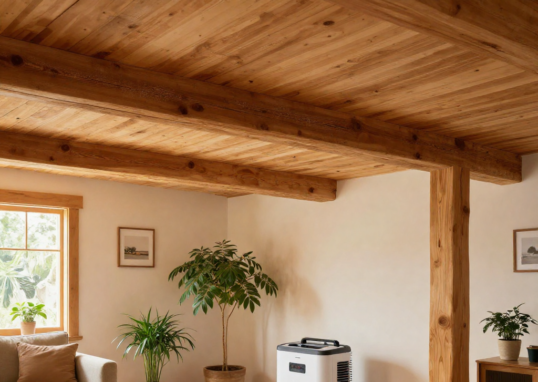
What Makes Microwave Treatment Effective?
- 0
- 960 words
Microwave treatment has become one of the most innovative methods for protecting wood from pests such as woodworm, termites, and other wood-boring...
Read out allKırşehir LEED Danışmanlık Firmaları – Uzman Şirketler
Kırşehir, İç Anadolu Bölgesi’nde yer alan ve son yıllarda gelişen yapılaşma dinamikleriyle dikkat çeken şehirlerden biridir. Bölgenin karasal iklimi, özellikle kış aylarında...
Read out all