
- 0
- 1,098 word
Protecting your home from woodworm and other wood-destroying pests requires an effective long-term strategy. For many years, chemical fumigation and insecticide treatments have been widely used to eliminate infestations and protect timber. When performed by licensed professionals using approved products, these treatments remain an important part of modern pest management.
However, some property owners question whether repeated chemical fumigation every year is always necessary or the most practical long-term solution. In many cases, recurring treatments may indicate that the underlying causes of the infestation—such as excess moisture, poor ventilation, or untreated structural issues—have not been fully addressed.
Modern pest management increasingly focuses on prevention, accurate diagnosis, and targeted treatment rather than relying on routine chemical applications alone. In this article, we’ll explore the limitations of repeated annual fumigation, explain why infestations sometimes return, and discuss sustainable alternatives for long-term timber protection.Visit online https://www.shashel.eu for more details .
What Is Chemical Fumigation?
Chemical fumigation uses gaseous pesticides (fumigants) to control pests inside enclosed spaces.
Depending on the type of pest and property, fumigation may be used in:
- Commercial buildings
- Warehouses
- Storage facilities
- Shipping containers
- Certain residential pest management situations
For woodworm, however, localized treatments or timber preservation methods are often more commonly used than whole-building fumigation.
Is Annual Fumigation Always Necessary?
Not necessarily.
The need for repeat treatments depends on several factors, including:
- The pest species
- The severity of the infestation
- The condition of the timber
- Moisture levels
- Building maintenance
- Whether the original source of the infestation has been resolved
A professional inspection should determine whether additional treatment is actually needed rather than relying on a fixed annual schedule.
Why Infestations May Return
Repeated infestations are often linked to conditions that continue to attract wood-boring insects.
Common contributing factors include:
- Roof leaks
- Plumbing leaks
- High indoor humidity
- Poor attic ventilation
- Damp crawl spaces
- Untreated timber
- Existing structural damage
Unless these underlying issues are corrected, pests may return even after successful treatment.
The Limitations of Repeated Chemical Treatments
Chemical treatments can be highly effective when properly selected and applied.
However, relying on repeated applications alone may not provide the best long-term solution if the environmental conditions encouraging infestation remain unchanged.
Potential limitations include:
Treating Symptoms Instead of Causes
Chemical treatments eliminate active pests, but they do not repair moisture problems or improve ventilation.
Ongoing Maintenance Costs
Repeated treatments can increase maintenance expenses if preventive measures are not implemented.
Unnecessary Chemical Applications
If no active infestation exists, routine pesticide applications may not always be necessary. Professional inspections can help determine whether treatment is justified.
Existing Timber Damage Remains
Eliminating insects does not restore wood already weakened by previous infestations or fungal decay.
The Importance of Professional Inspections
Rather than scheduling annual fumigation automatically, many timber preservation specialists recommend regular inspections.
A professional assessment can determine:
- Whether woodworm is still active.
- Which beetle species is present.
- The extent of any damage.
- Whether treatment is required.
- Which treatment method is most appropriate.
This targeted approach helps avoid unnecessary work while ensuring genuine problems are addressed promptly.
Addressing the Root Causes
Long-term timber protection depends on more than pest treatment alone.
Property owners should also focus on:
Moisture Control
Repair roof and plumbing leaks quickly.
Improved Ventilation
Increase airflow in attics, basements, and crawl spaces.
Regular Maintenance
Inspect timber annually for signs of damage or insect activity.
Early Detection
Respond quickly to fresh exit holes, frass, or damp conditions.
Preventive maintenance often reduces the likelihood of recurring infestations.
Microwave Woodworm Treatment as an Alternative
For localized woodworm infestations, many homeowners consider microwave woodworm treatment as a chemical-free alternative.
Professional microwave equipment generates controlled heat inside timber through dielectric heating, eliminating:
- Woodworm larvae
- Beetle eggs
- Pupae
- Adult wood-boring beetles
Benefits
- No chemical pesticides
- No chemical residues
- Targeted treatment
- Environmentally conscious approach
- Suitable for many heritage buildings
- Preserves original timber where possible
Microwave treatment may not replace every type of pest control, but it provides an additional option for certain woodworm infestations.
Repeated Fumigation vs. Preventive Maintenance
| Feature | Annual Chemical Fumigation | Preventive Maintenance & Targeted Treatment |
|---|---|---|
| Focus | Treat existing pest activity | Prevent infestations and treat only when necessary |
| Chemical Use | May be repeated | Minimized where appropriate |
| Moisture Control | No | Yes |
| Ventilation Improvements | No | Yes |
| Long-Term Prevention | Limited on its own | Strong emphasis |
The most effective long-term strategy often combines preventive maintenance with treatment only when inspection indicates it is needed.
Integrated Pest Management (IPM)
Many modern pest control companies use Integrated Pest Management (IPM).
IPM combines:
- Routine inspections
- Moisture management
- Pest monitoring
- Accurate identification
- Building maintenance
- Targeted treatments when necessary
Rather than relying on routine pesticide applications, IPM focuses on solving the underlying causes of infestations.
Tips to Reduce the Need for Repeat Treatments
You can help protect your timber by:
- Inspecting roof spaces annually.
- Repairing leaks promptly.
- Keeping structural timber dry.
- Improving ventilation.
- Reducing indoor humidity.
- Monitoring furniture for fresh frass.
- Scheduling professional inspections if you notice signs of woodworm.
Preventive care is often the most effective way to reduce recurring pest problems.
Common Myths About Annual Fumigation
Myth 1: Every Home Needs Fumigation Every Year
Fact: Treatment frequency depends on the pest, property condition, and professional inspection. Many homes do not require annual fumigation.
Myth 2: Chemical Treatment Alone Prevents Future Infestations
Fact: Long-term protection also depends on moisture control, maintenance, and addressing conditions that attract pests.
Myth 3: If Woodworm Returns, the Previous Treatment Failed
Fact: New infestations can occur if favorable conditions remain or if beetles are reintroduced. A professional inspection can determine the cause before additional treatment is recommended.
When Should You Contact a Professional?
Professional advice is recommended if:
- Fresh frass continues appearing.
- New exit holes develop.
- Structural timber is affected.
- Moisture problems persist.
- You’re unsure whether the infestation is active.
- You’re considering alternatives to repeated chemical treatments.
A qualified timber preservation specialist can inspect your property, confirm whether treatment is needed, and recommend the most appropriate solution based on the condition of your timber.
Conclusion
Chemical fumigation and other professional pest control treatments remain valuable tools for managing serious infestations. However, repeating chemical fumigation every year is not always necessary or the most effective long-term strategy. If pests continue to return, it is often worth investigating underlying issues such as moisture, ventilation, or untreated timber rather than relying solely on repeated chemical applications.
A sustainable approach combines regular inspections, preventive maintenance, moisture control, and targeted treatment when needed. For localized woodworm infestations, chemical-free options such as microwave woodworm treatment may also be appropriate. By addressing both the infestation and the conditions that encourage it, homeowners can better protect their timber while supporting long-term property maintenance.
Author

admin@solutionequine.com
Related Posts
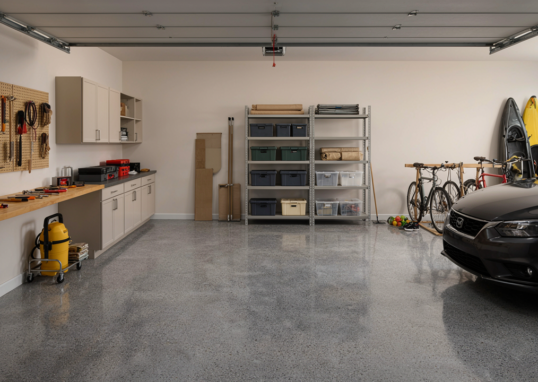
Garage Floor Coatings: A Smarter Garage Upgrade
- 0
- 1,420 word
A garage does more than shelter vehicles. It often serves as a workshop, storage area, hobby space, or entry point into the...
Read out all
Autism Care: Building Strong Foundations for Lifelong Success
- 0
- 1,537 word
Every child deserves the opportunity to develop confidence, communication, and independence in an environment that recognizes individual strengths. Autism care plays an...
Read out all
Why Small Business Mentoring Services in the UK Are Worth the Investment
- 0
- 1,179 word
Starting and growing a small business requires dedication, strategic planning, and the ability to make informed decisions. While many entrepreneurs possess the...
Read out all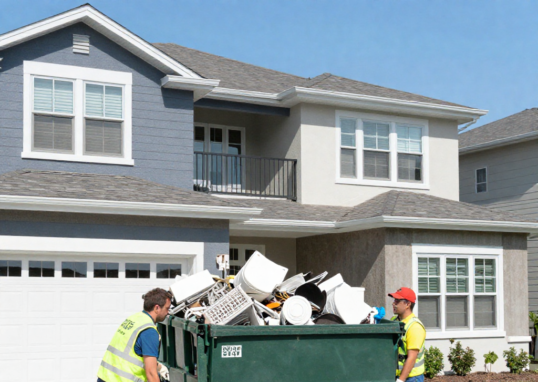
Landscaping Debris Removal Arizona: Clear Outdoor Spaces
- 0
- 1,134 word
Landscaping debris removal Arizona services help homeowners, property managers, and contractors handle the waste created during outdoor improvement projects. From fallen branches...
Read out all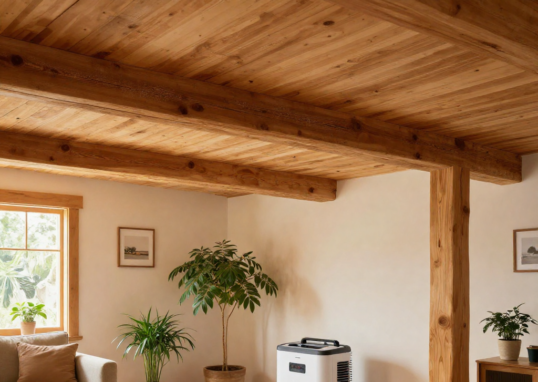
What Makes Microwave Treatment Effective?
- 0
- 960 words
Microwave treatment has become one of the most innovative methods for protecting wood from pests such as woodworm, termites, and other wood-boring...
Read out allKırşehir LEED Danışmanlık Firmaları – Uzman Şirketler
Kırşehir, İç Anadolu Bölgesi’nde yer alan ve son yıllarda gelişen yapılaşma dinamikleriyle dikkat çeken şehirlerden biridir. Bölgenin karasal iklimi, özellikle kış aylarında...
Read out all