
- 0
- 1,204 word
Material selection has a lasting impact on how interior spaces perform, look, and age. Nonporous solid surface sheets have become a preferred solution for designers, architects, and property owners who want attractive surfaces that are easy to maintain and built for everyday use.
As a trusted manufacturer of premium surfacing materials, Hyundai L&C offers solutions that support both residential and commercial applications while meeting modern design expectations.
Why Nonporous Solid Surface Sheets Continue to Gain Popularity
Interior surfaces must do more than look appealing. They need to withstand daily wear, simplify maintenance, and support hygienic environments. Nonporous solid surface sheets meet these expectations by combining durability with design flexibility.
Unlike porous materials that may absorb moisture or stains, these engineered surfaces feature a dense, nonporous composition. This characteristic helps create cleaner spaces while reducing routine maintenance concerns.
Their consistent appearance also makes them suitable for projects where visual continuity is important, from residential kitchens to healthcare environments.
What Makes a Surface Nonporous?
A nonporous surface is manufactured to prevent liquids, dirt, and many common contaminants from penetrating the material. Instead of soaking into tiny openings, spills remain on the surface where they can typically be cleaned with mild soap and water.
This construction provides several practical benefits:
- Easier everyday cleaning
- Greater resistance to staining
- Improved moisture resistance
- Reduced risk of odor absorption
- Consistent appearance over time
These qualities make nonporous solid surface sheets suitable for spaces where cleanliness and durability are priorities.
Common Applications for Nonporous Solid Surface Sheets
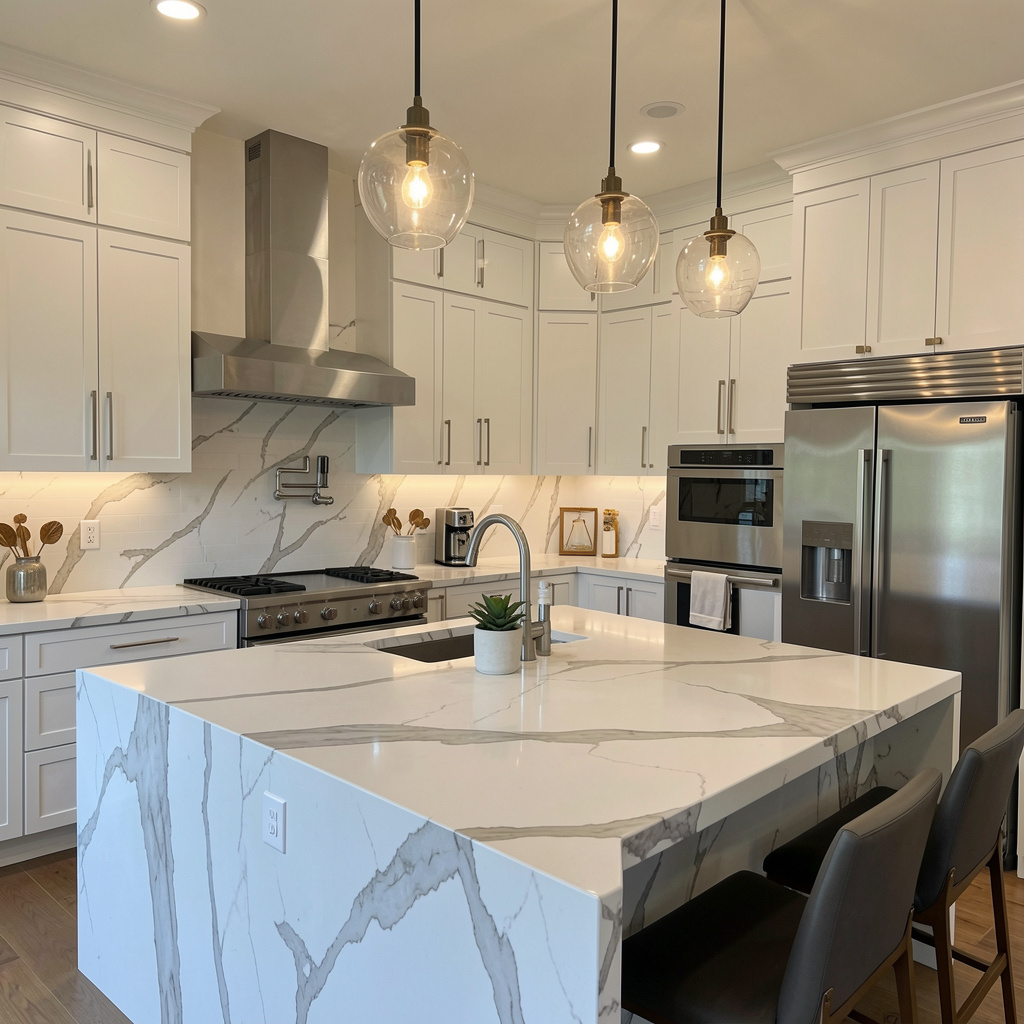
One of the biggest advantages of solid surface materials is their versatility. They can be fabricated into many different shapes while maintaining a clean, continuous appearance.
Popular applications include:
- Kitchen countertops
- Bathroom vanities
- Reception desks
- Healthcare workstations
- Laboratory surfaces
- Restaurant counters
- Retail displays
- Hospitality interiors
- Wall cladding
- Window sills
- Furniture components
- Integrated sinks
Because the material can be fabricated to precise dimensions, designers can create customized solutions for nearly any interior environment.
Benefits of Nonporous Solid Surface Sheets
Excellent Hygiene Performance
Since liquids cannot easily penetrate the material, everyday cleaning becomes simpler. This characteristic is especially valuable in healthcare, hospitality, food preparation, and educational facilities where maintaining clean surfaces is essential.
Routine maintenance generally requires only mild cleaning products and soft cloths, making long-term care manageable.
Seamless Appearance
One of the defining characteristics of solid surface fabrication is the ability to create nearly invisible seams.
Professional fabricators can join individual sheets to produce:
- Long countertops
- Large reception desks
- Continuous wall panels
- Custom furniture
- Integrated workstations
The result is a smooth, uninterrupted appearance that supports both modern aesthetics and easier cleaning.
Design Flexibility
Unlike many natural materials, solid surface sheets can often be thermoformed into curved designs when fabricated correctly.
This flexibility allows designers to incorporate:
- Rounded corners
- Curved counters
- Custom reception areas
- Sculptural furniture
- Decorative wall elements
The ability to create custom shapes gives architects greater freedom without sacrificing functionality.
Repairable Surface
Minor scratches and surface wear can often be repaired through professional refinishing instead of replacing the entire installation.
This repairability contributes to longer product life while helping maintain the original appearance for years.
Comparing Solid Surface Sheets with Other Materials
Choosing the right material depends on the goals of each project. Understanding how solid surfaces compare with other options helps simplify the selection process.
Natural Stone
Natural stone offers unique patterns created by nature. However, some varieties require periodic sealing because they can absorb moisture and staining agents over time.
Solid surface sheets provide greater pattern consistency and generally require less maintenance.
Quartz
Quartz is well known for its durability and stain resistance. However, because it is extremely hard, it cannot typically be thermoformed into curved shapes.
Solid surface materials provide greater fabrication flexibility, allowing for integrated sinks, seamless joints, and curved features.
Laminate
Laminate remains a budget-friendly option for many projects. However, visible seams and edge treatments may become more noticeable over time.
Solid surface sheets create a more continuous appearance and can often be repaired if damaged.
Choosing the Right Color and Finish
Color selection influences both aesthetics and long-term satisfaction.
When selecting nonporous solid surface sheets, consider the following factors:
Room Size
Lighter colors can make smaller rooms feel more open, while darker shades create contrast and visual depth.
Lighting Conditions
Natural and artificial lighting affect how colors appear throughout the day. Viewing material samples under actual project lighting helps avoid unexpected results.
Interior Style
Solid surface collections are available in:
- Neutral tones
- Contemporary whites
- Warm earth colors
- Stone-inspired patterns
- Modern gray palettes
- Minimalist finishes
Choosing colors that coordinate with cabinetry, flooring, and wall finishes creates a cohesive design.
Fabrication Considerations
Proper fabrication plays a significant role in the finished appearance and long-term performance of any installation.
Experienced fabricators carefully plan:
- Material layout
- Seam placement
- Edge profiles
- Integrated sink installation
- Backsplash connections
- Structural support
Precision fabrication minimizes visible joints while producing clean, professional results.
Installation Best Practices
Even premium materials depend on proper installation.
Professional installers typically focus on:
- Accurate site measurements
- Stable cabinet support
- Proper adhesive application
- Expansion allowances where necessary
- Level installation
- Careful finishing
Following manufacturer recommendations helps maximize long-term performance.
Caring for Nonporous Solid Surface Sheets
Routine maintenance is straightforward, making these surfaces attractive for busy households and commercial properties alike.
Recommended care practices include:
- Wipe spills promptly.
- Clean regularly using mild soap and water.
- Use non-abrasive cloths or sponges.
- Use cutting boards instead of cutting directly on the surface.
- Place hot cookware on trivets rather than directly on countertops.
- Avoid harsh chemical cleaners unless approved by the manufacturer.
Simple maintenance habits help preserve both appearance and functionality.
Why Designers Choose Solid Surface Materials
Architects and interior designers often specify solid surface materials because they balance aesthetics with practical performance.
Key reasons include:
- Consistent manufacturing quality
- Wide selection of colors
- Seamless fabrication
- Flexible customization
- Easy maintenance
- Long service life
- Professional appearance
- Repairable surfaces
These advantages make solid surface sheets suitable for projects ranging from luxury homes to demanding commercial environments.
Sustainability Considerations
Long-lasting building materials contribute to more sustainable construction by reducing replacement frequency.
Several characteristics support responsible material selection:
- Long product lifespan
- Repairability instead of replacement
- Low maintenance requirements
- Reduced material waste through custom fabrication
- Durable performance under daily use
Selecting materials designed for longevity can contribute to lower lifecycle costs while supporting responsible building practices.
Questions to Ask Before Choosing Solid Surface Sheets
Before selecting a surface material, consider asking:
- What level of daily use will the surface experience?
- Will moisture exposure be frequent?
- Is seamless fabrication important?
- Will integrated sinks be included?
- Does the design require curved elements?
- What maintenance routine is acceptable?
- Is future repairability a priority?
- What aesthetic style best matches the project?
Answering these questions helps narrow material options and supports more informed design decisions.
Final Thoughts
Nonporous solid surface sheets continue to meet the needs of modern residential and commercial interiors by combining durability, hygiene, seamless fabrication, and design flexibility. Their repairable nature, broad design possibilities, and straightforward maintenance make them a dependable choice for countertops, workspaces, healthcare environments, hospitality settings, and custom architectural features.
With quality materials from Hyundai L&C, property owners and design professionals can confidently create attractive, long-lasting interiors by carefully evaluating project requirements, partnering with experienced fabricators, and following proper installation and maintenance practices.
Author

admin@solutionequine.com